CT-Guided Pain Management: PRT in Detail
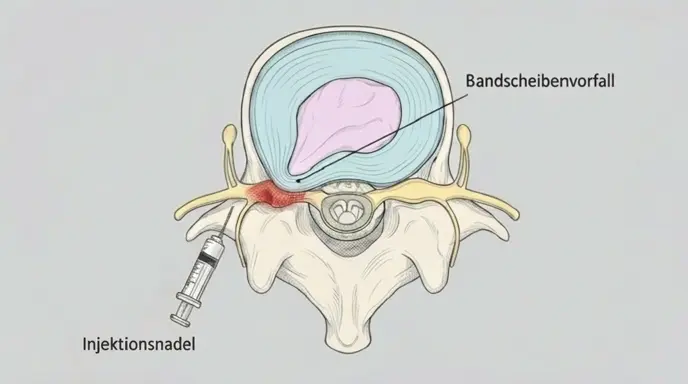
Periradicular therapy (PRT) is a specialized procedure specifically used to relieve chronic back pain and treat herniated discs. This procedure, also known as nerve root infiltration, involves the direct injection of medication into the nerve roots of the spinal canal, guided by CT imaging. Your treating physician will work with you to develop a customized treatment plan for long-term pain relief.
Who would benefit from a PRT?
This is particularly true for pain that radiates into the arms or legs and, in some cases, all the way to the fingers or toes. When considered together with the corresponding cross-sectional images (CT or MRI), the exact pattern of pain distribution can provide clues as to which nerve is affected.
Treatment Procedure
You will be positioned face down on a table and moved through the opening of the CT scanner. After an initial planning scan, the treatment will begin.
Using a probe, pain-relieving medication is delivered directly to the irritated nerves, thereby reducing local inflammation and providing additional pain relief over an extended period. The procedure is performed under visual guidance using a CT scanner to ensure precise injection of the medication and maximize treatment success.
The pain reliever takes effect within just a few minutes. The additional cortisone helps reduce nerve inflammation, particularly through its anti-inflammatory effect, thereby providing pain relief for a longer period of time.
After treatment
The effects of the local anesthetic may impair motor function in the treated limb, so driving a motor vehicle or operating other machinery on the day of treatment is not recommended. Ideally, you should come with someone who can accompany you home and assist you if necessary. For your own well-being, you should take it easy, which is why exercising on the same day is also not recommended.
The entire treatment and follow-up examination usually take about 45 minutes, and you will receive all the necessary documentation for your referring physician.
Advantages of PRT
- Minimally invasive, low-pain treatment
- High safety thanks to CT-guided application
- Precise treatment targeting the root cause of the pain
- Fewer side effects and lower medication doses
- Quick load-bearing capacity after injection
Contraindications
PRT is not suitable for:
- Patients with neurological deficits
- Back pain caused by muscle injuries
Additional contraindications include:
- Pregnancy
- Breastfeeding
- Blood clotting disorders
Alternative treatment methods
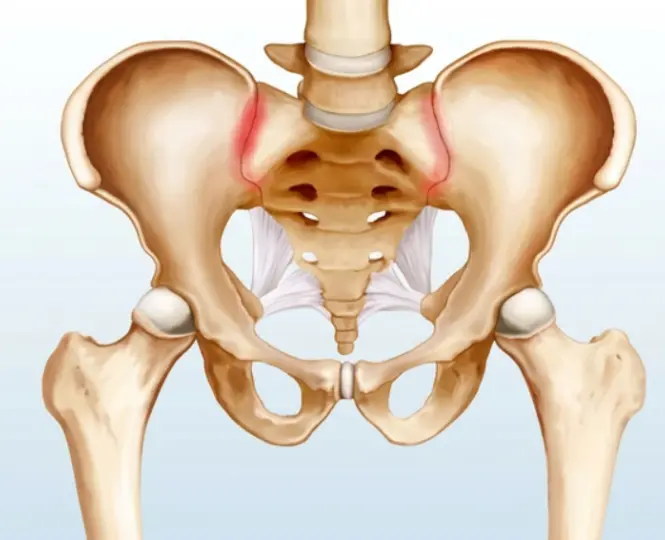
Relieving ISG-Blockad through modern Infiltration therapy
If pain in the sacroiliac joint persists despite treatment, CT-guided sacroiliac joint injection offers a targeted option for rapid pain relief.
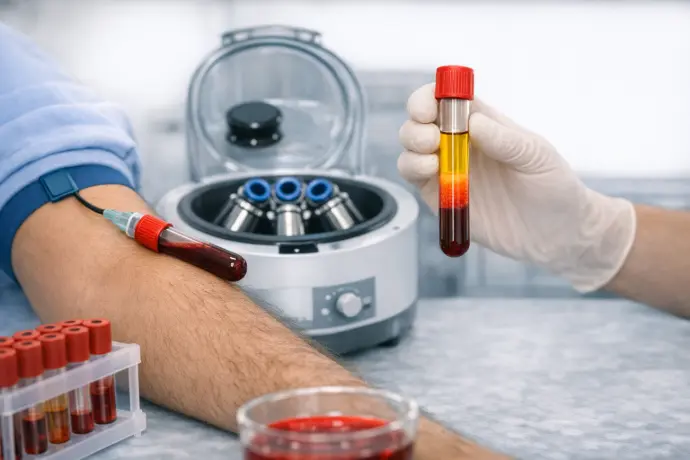
Autologous Blood Therapy (ACP/PRP) – Promoting Natural Regeneration
In autologous blood therapy, blood is drawn from the patient, processed, and the growth factor-rich plasma is then used specifically to promote healing.
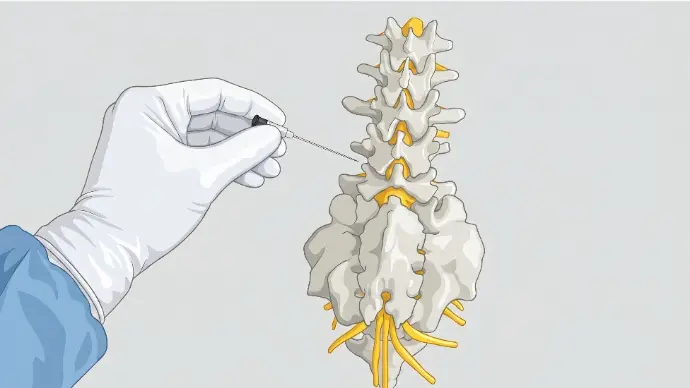
Facet joint injection: Effective relief for back pain
For persistent back pain, facet joint injection offers a precise and effective treatment directly at the spine.
Side effects
- As a side effect, redness and tightness of the facial skin may occur in sensitive individuals; with repeated use, temporary acne may also occur in isolated cases.
- Certain medical conditions may be affected by the treatment: for example, existing high blood pressure or heart failure may worsen; in patients with known glaucoma, intraocular pressure may rise; and in people with diabetes, blood sugar levels may increase, particularly on the day of treatment.
- Allergic reactions caused by contrast agents, such as skin rashes and circulatory reactions, are considered rare.
- Bleeding, joint effusions, seromas, or infections resulting from the puncture are considered extremely rare.
- Occasionally, a pulling, burning pain in the back may occur at the site of the puncture; experience has shown that this pain subsides after a short time.
- Especially with regard to possible bleeding, please let us know if you are taking anticoagulant medications such as aspirin or warfarin.
- In isolated cases, disturbances in sensation and sensitivity along the associated nerve pathways have been observed; these are considered unpleasant but not necessarily undesirable. They typically subside completely within 1–2 days as the treatment takes effect.
Coverage of costs
- PRT is generally covered by private health insurance.
- For those with public health insurance, a referral from a doctor with the additional qualification in “pain management” is required.
- In addition, we collaborate with several providers through selective treatment agreements with health insurance.
- Alternatively, the treatment can be billed as an individual health service (iGeL).
We would be happy to provide you with information about the costs.
Frequently asked questions
Periradicular Therapy / Pain Management at CT
Possible side effects include redness and tightness of the facial skin in sensitive individuals; with repeated use, temporary acne may also occur in isolated cases. Certain medical conditions may be affected by the treatment: for example, existing high blood pressure or heart failure may worsen; in patients with known glaucoma, intraocular pressure may increase; and in diabetics, blood sugar levels may rise, particularly on the day of treatment.
Allergic reactions caused by contrast agents, such as skin rashes and circulatory reactions, are considered rare.
Bleeding, joint effusions, seromas, or infections resulting from the puncture are extremely rare. Occasionally, patients may experience a pulling or burning pain in the back at the site of the puncture, which typically subsides after a short time. Especially with regard to potential bleeding, please let us know if you are taking anticoagulant medications such as aspirin or warfarin.
In isolated cases, disturbances in sensation and sensitivity along the associated nerve pathways have been observed; these are considered unpleasant but not necessarily undesirable. They typically subside completely within 1–2 days as the treatment takes effect.
We operate according to the principle of “as little as possible.” Despite its name, this is still an invasive procedure, which we aim to keep to a minimum. Microtherapy is classified as an acute treatment designed to relieve your pain.
At this time, we can offer you treatment with a referral from a pain specialist, as the costs are covered by public health insurance. Private health insurance companies reimburse the treatment costs.